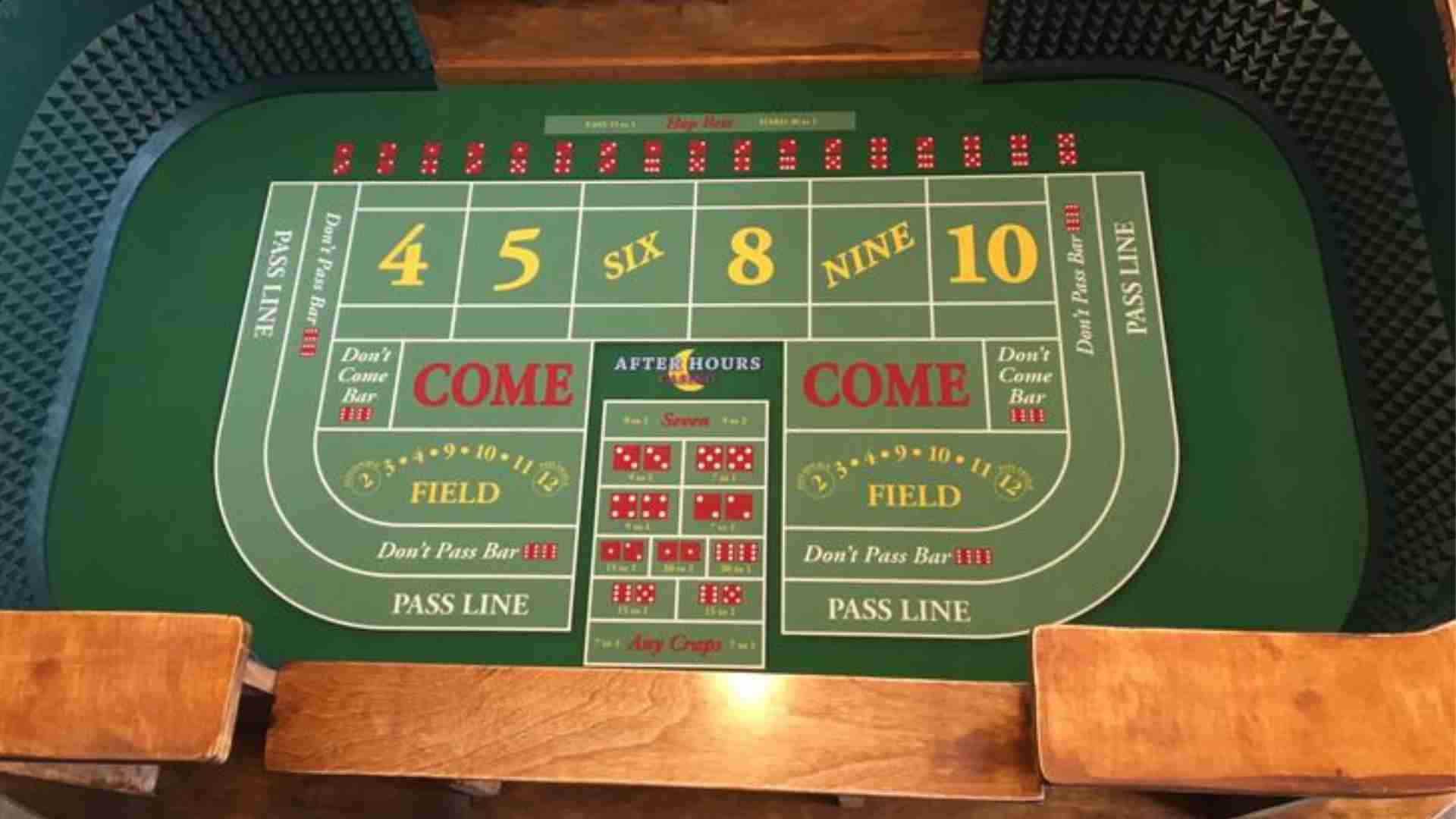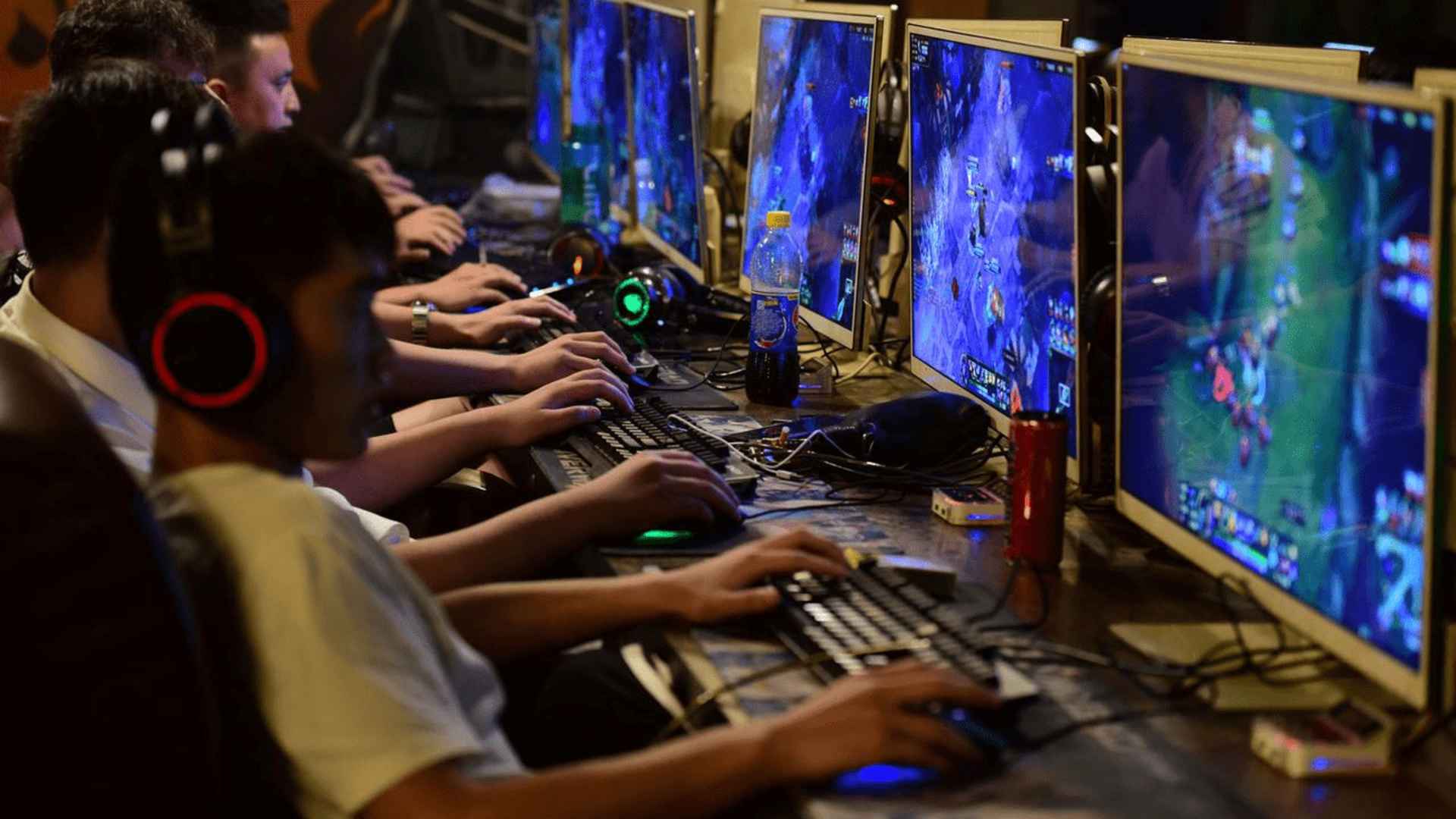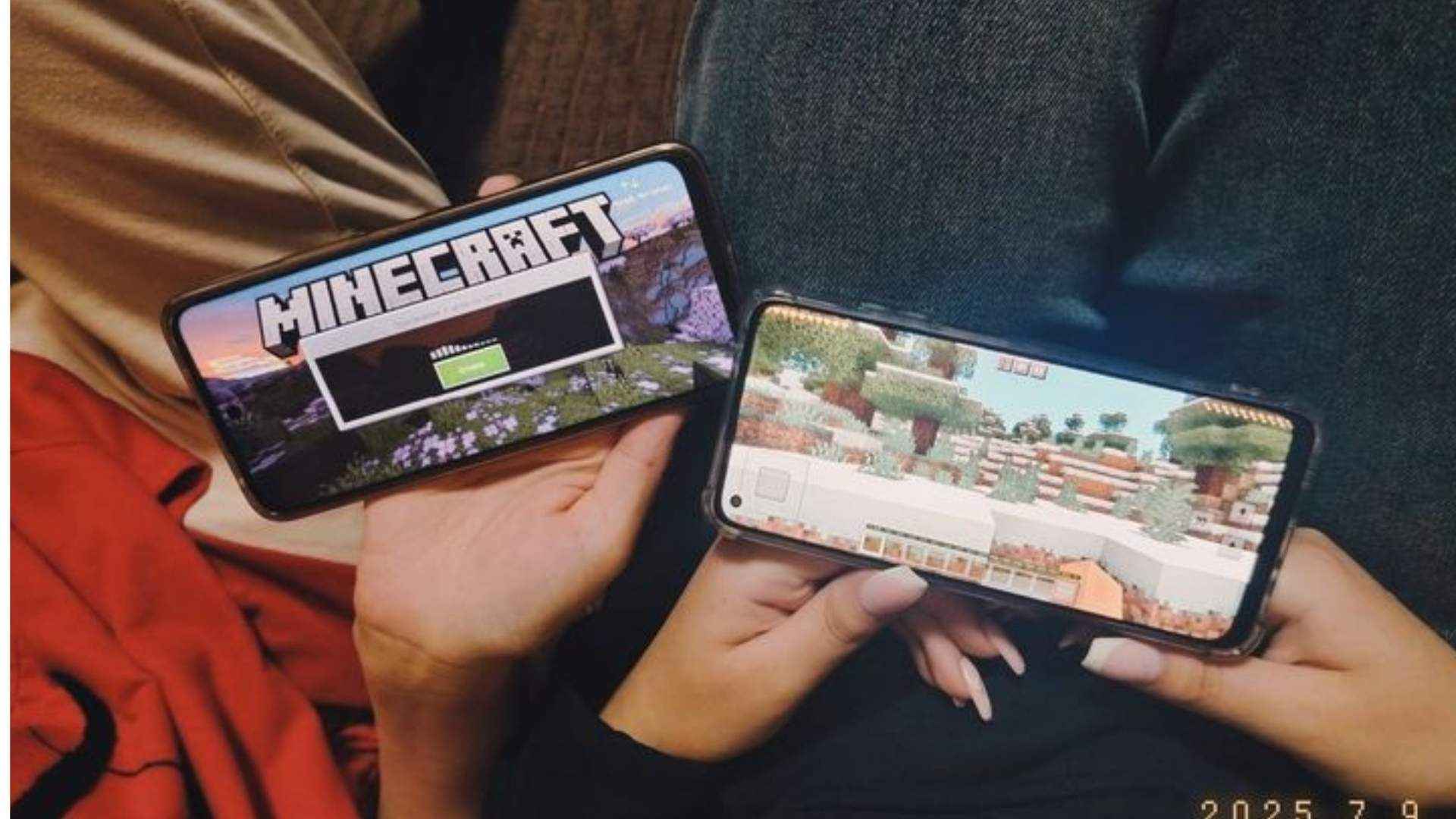
Tactical multiplayer games have redefined how players engage in digital warfare, moving beyond mindless action toward deep cognitive coordination. These immersive experiences demand structured planning and precise teamwork, where every single decision can alter the outcome of the entire match. As modern developers continue to innovate, the depth of strategic gameplay has reached unprecedented heights for global audiences.
The Core Elements of Modern Tactics
At the heart of any tactical experience is the careful balancing of individual combat skills and squad-level execution. Players must constantly analyze their immediate surroundings, share real-time intelligence, and adapt to unpredictable opponent behaviors. This high level of engagement turns every standard round into a complex puzzle that cannot be solved by brute force alone.
Map familiarity and comprehensive resource management also play critical roles in securing a decisive victory on the virtual battlefield. Teams that master defensive choke points and utility deployment consistently outperform those relying entirely on mechanical aiming capabilities. Understanding these intricate underlying systems creates a highly rewarding learning curve for dedicated groups.
Communication and Team Coordination
Successful operations rely heavily on seamless communication methods and predefined strategies among all active participants. Utilizing clear verbal callouts and structured character roles allows squads to execute synchronized movements with maximum operational efficiency. Without proper coordination, even the most mechanically skilled individual players will find themselves quickly overwhelmed by organized opponents.
To explore platforms that offer balanced competitive arenas and diverse community hubs, you can access the login situs m88 for professional gaming networks. Engaging with these specialized digital spaces connects you to modern matchmaking systems designed to support long-term player growth. Building these communication skills ultimately prepares teams for high-stakes challenges in global environments.
Evolution of Strategic Map Design
Modern developers are designing incredibly complex virtual environments that specifically reward spatial awareness and tactical positioning. Dynamic elements like destructible cover and shifting weather conditions force teams to alter their defensive strategies mid-game. This constant evolution ensures that no two matches feel exactly the same, maintaining high replay value.
These innovative design choices encourage competitive players to develop creative solutions for overcoming heavily fortified defensive setups. The integration of extreme verticality and multiple flanking routes provides ample opportunity for well-planned tactical ambushes. Consequently, the strategic landscape remains fresh and intellectually stimulating for communities seeking deeper gameplay.
The Future of Competitive Tactical Gaming
As global technological infrastructure advances, multiplayer platforms are offering even more realistic physics and advanced simulation mechanics. The rise of sophisticated matchmaking algorithms ensures that squads are consistently paired against opponents of equal strategic capability. This balance fosters a healthy environment where genuine tactical mastery can truly shine on a global scale.
The ongoing dedication of global communities guarantees that the tactical multiplayer genre will keep expanding in exciting new directions. Players can look forward to deeper progression models, more integrated team management tools, and regular seasonal content updates. The journey toward ultimate victory remains an enduring and thrilling challenge for gamers worldwide.