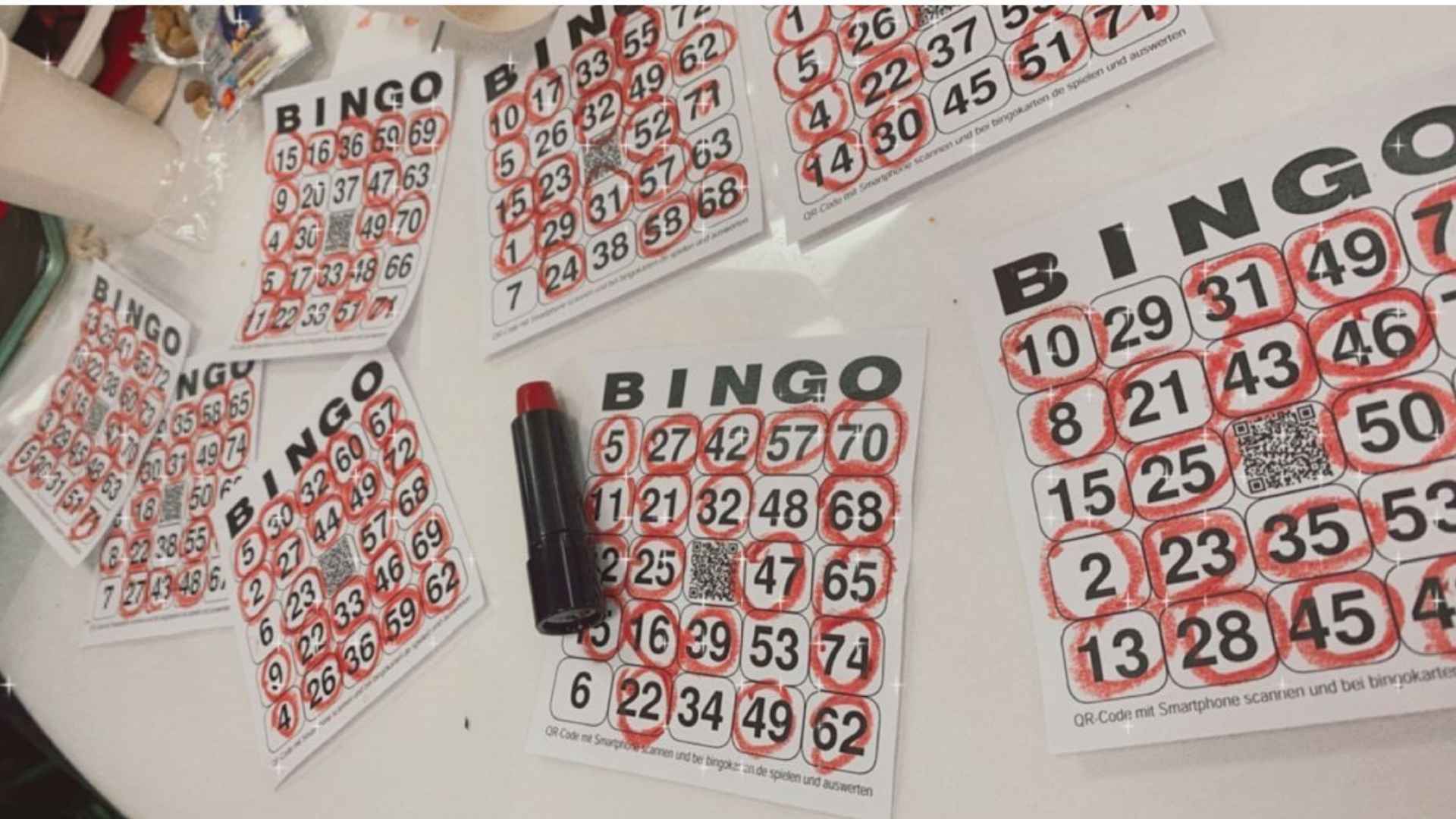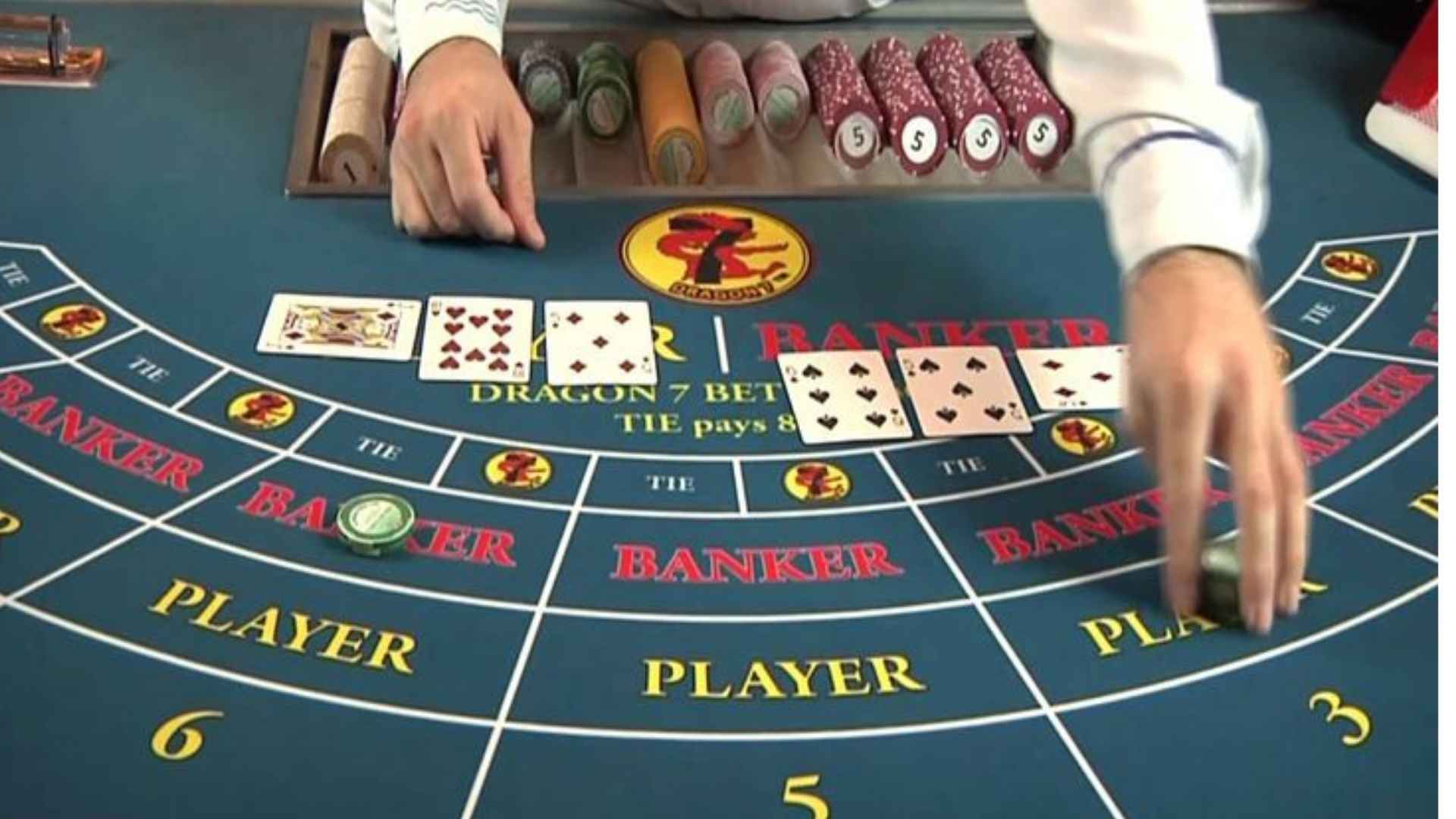
Integrating entertainment into classrooms has fundamentally changed how modern instructors approach complex academic subjects. By utilizing games of chance and unpredictability, educators can transform abstract mathematical and statistical definitions into highly practical, hands-on lessons. This dynamic method ensures that students remain actively involved in the learning process while building critical problem-solving capabilities.
Breaking the Monotony of Predictable Logic
Traditional learning systems often rely heavily on memorization and deterministic equations, which can sometimes isolate younger minds. Introducing elements of chance forces students to adapt dynamically to shifting outcomes rather than simply looking for a single correct formula. This variability creates a resilient mindset, helping individuals understand that initial failure is simply part of a larger discovery cycle.
When unexpected variables alter the classroom terrain, learners must evaluate their next move based on shifting probabilities. This constant mental adjustment sharpens spatial awareness and quantitative analysis in real time. As a result, students cultivate a deeper intellectual agility that standard static textbooks rarely manage to provide.
Enhancing Engagement Through Strategic Risk
Human psychology is naturally drawn to the mystery of uncertain outcomes, which is why interactive simulations are exceptionally effective. When a student rolls a die or draws a randomized digital card, anticipation heightens, driving focus and long-term retention. This biological response ensures that key educational insights remain memorable long after the classroom activity ends.
Furthermore, balancing calculated human choices against pure chance levels the playing field for participants of all initial skill levels. Beginners can achieve meaningful milestones alongside more advanced peers, which naturally builds confidence and mutual cooperation. To explore digital platforms that utilize structured numerical generation, accessing a reliable portal like the login situs m88 can offer an interesting look into how virtual random architectures function seamlessly.
Building Real-World Resilience and Adaptive Skills
Life outside the classroom is rarely entirely predictable, making risk assessment an essential capability for modern individuals. Educational games that incorporate randomness mirror real-world scenarios where complete data is often unavailable. By navigating these safe virtual hazards, students practice making evidence-based choices under conditions of structural uncertainty.
This methodology trains the brain to move past immediate emotional reactions and depend on objective analysis instead. Over time, consistent exposure to statistical variance helps students manage expectations and reduce the anxiety often associated with unknown outcomes. Consequently, learners become more resourceful strategists who are well-prepared for complex academic and professional environments.
The Long-Term Value of Playful Uncertainty
As digital learning tools continue to evolve, the integration of controlled randomness will remain a foundational pillar of modern instructional design. By transforming dry statistical frameworks into competitive challenges, educators foster an organic curiosity about numbers. This playful introduction often sparks a lifelong passion for scientific inquiry and data analytics across multiple generations.