Solitaire has sustained its appeal across decades, seamlessly transitioning from physical card tables to digital screens. Its enduring charm lies in a blend of accessible rules, mental engagement, and immediate personal satisfaction. As entertainment preferences shift, this classic game continues to bridge demographic gaps worldwide.
The Universal Simplicity of Card Play
At its core, Solitaire requires minimal setup and straightforward rules that anyone can grasp within minutes. This simplicity creates a welcoming entry point for beginners while maintaining enough underlying depth to engage veteran players. The lack of complex controls or intense learning curves ensures it remains approachable for older adults and young enthusiasts alike.
Unlike competitive multiplayer games, single-player card games offer a low-pressure environment where individuals set their own pace. Players can step away at any moment without penalty, making it an ideal pastime during short breaks or quiet evenings. This convenience reinforces its position as a reliable daily relaxation routine.
A Peaceful Mental Refreshment
Modern lifestyle demands often leave people searching for light cognitive activities that encourage focus without causing fatigue. Solitaire provides a structured challenge that sharpens pattern recognition and short-term memory planning. Each dealt hand presents a unique puzzle that stimulates strategic decision-making in a tranquil setting.
The subtle balance between skill and chance keeps players emotionally invested without generating undue frustration. Uncovering hidden cards or clearing a tableau column delivers a steady stream of satisfying micro-accomplishments. Many individuals turn to online platforms or bookmark an m88 link alternatif to explore various digital gaming formats during leisure hours.
The Transition to Digital Convenience
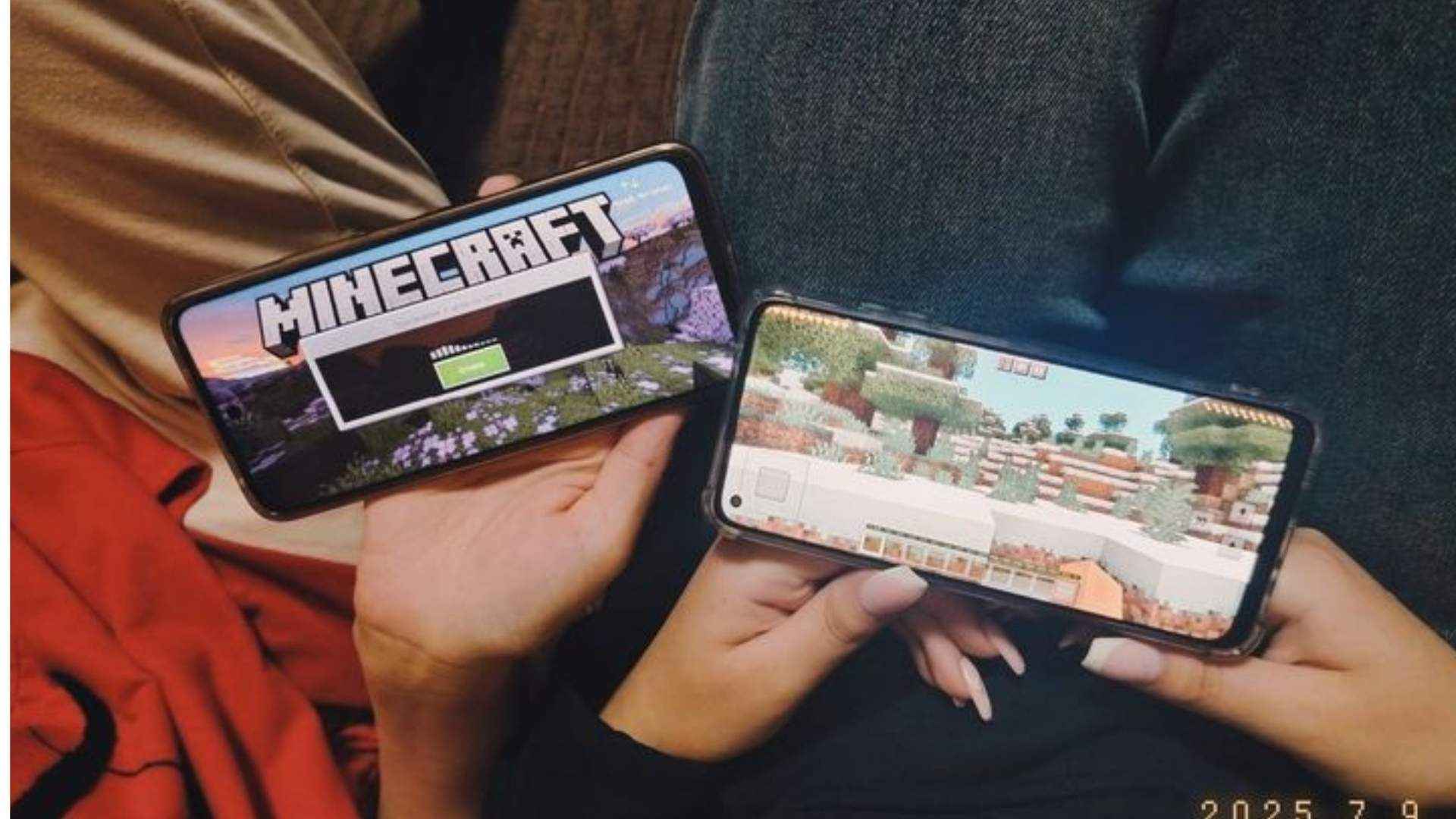
The rise of personal computers and smartphones played a pivotal role in revitalizing Solitaire for younger audiences. Pre-installed desktop software introduced millions of users to digital card sorting, transforming a quiet tabletop activity into a global digital phenomenon. Today, mobile applications allow seamless access across modern devices at any place or time.
Digital adaptations also introduce customizable themes, undo buttons, and daily challenges that enhance replayability. These features preserve the traditional mechanics while modernizing the overall user experience. By merging nostalgic gameplay with digital convenience, the game retains its relevance in an era dominated by high-definition gaming.
Cross-Generational Shared Experience
Solitaire serves as a rare cultural constant shared by grandparents, parents, and children alike. Many younger players first learned the game watching family members maneuver physical cards on living room tables. This shared background fosters a sense of familiarity that transcends generational divides.
As digital entertainment options multiply, few pastimes maintain such consistent cross-generational popularity. Solitaire stands as a timeless mental exercise, continuing to charm audiences regardless of age or tech literacy.