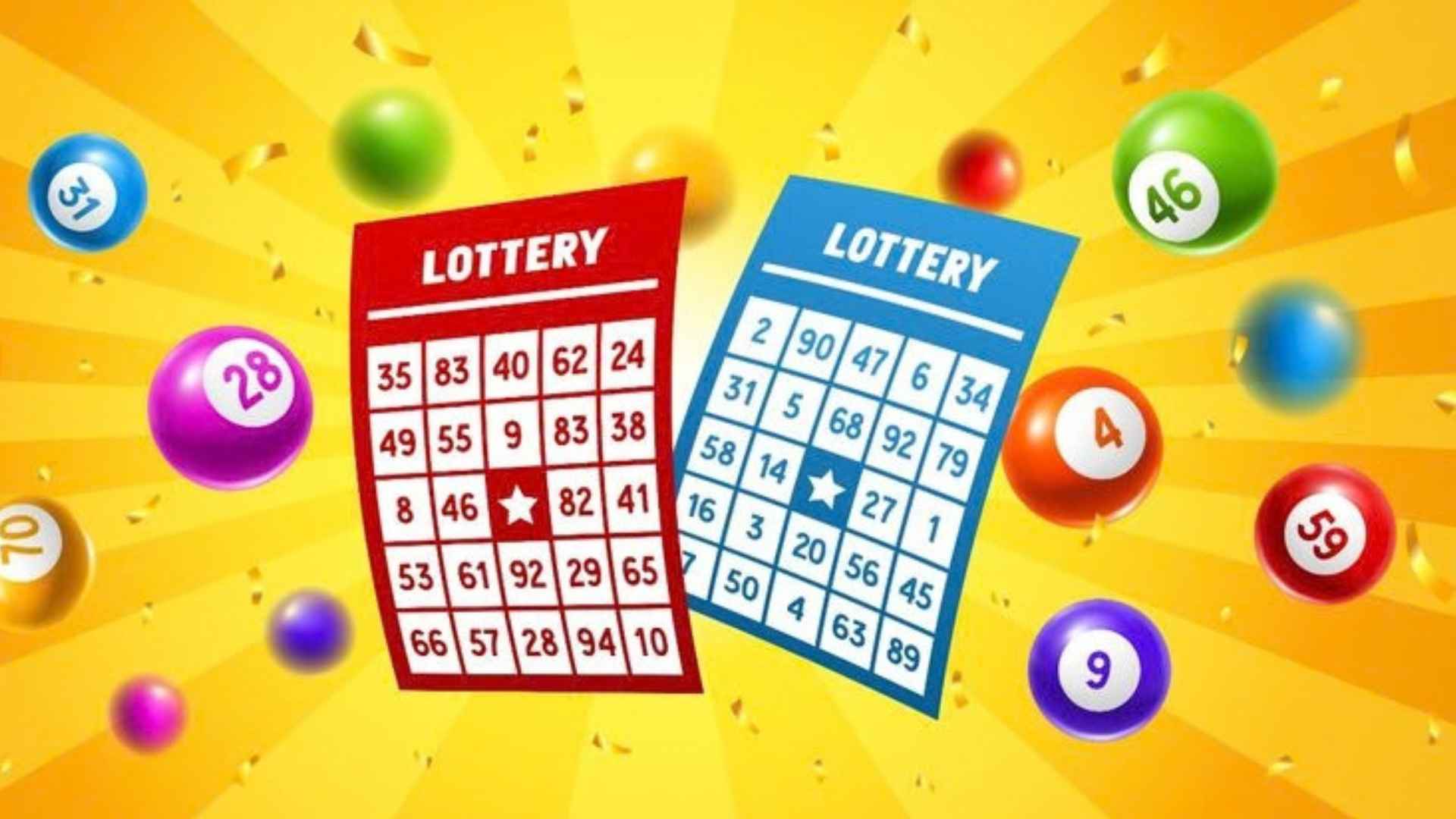
Number games have captivated players for generations by blending simplicity with the thrilling unpredictability of numerical outcomes. Behind every draw, ticket, or digital selection lies a structured mathematical framework that determines how likely a player is to win. Understanding the relationship between probability and payout structures can significantly enhance how enthusiasts engage with these popular pastimes.
Understanding Probability and True Odds
Probability is the foundation of every number-based game, defining the precise statistical likelihood of any given combination appearing. Calculating these odds requires analyzing the total pool of available numbers alongside the exact quantity of picks allowed in a single round. True odds represent the actual mathematical ratio of winning outcomes compared to losing outcomes.
When players select digits, combinatorial mathematics dictates the total number of unique possibilities that can occur. As the selection pool expands, the total number of potential combinations increases exponentially, making specific outcomes rarer. Grasping this basic principle helps players form realistic expectations about their statistical chances in any game format.
How Operators Calculate Payout Ratios
Payout ratios reflect the financial return offered to players relative to the stakes they place on a specific outcome. While true odds represent mathematical certainty, payout rates are adjusted to accommodate operator overhead and operational costs. This margin ensures that platforms remain sustainable over extended periods of operation.
For instance, if an outcome has a one-in-ten chance of occurring, a true mathematical payout would return ten times the initial stake. However, most structured games offer a slightly lower multiplier to maintain the house edge while offering competitive prizes. Balancing these values is essential for creating engaging gameplay that feels fair and rewarding to participants.
The Connection Between Risk and Reward
In almost all numerical entertainment formats, higher payouts correspond directly to lower probabilities of winning. Selecting a single digit out of a small pool offers a relatively high chance of success, resulting in smaller, more frequent returns. Conversely, targeting exact sequences across large number pools carries much higher risk but offers significantly larger rewards.
This dynamic allows players to choose formats that match their personal risk tolerance and playing style. Some prefer the steady pace of low-volatility options, while others enjoy the potential for larger milestones offered by high-volatility draws. Analyzing paytables beforehand gives players clear visibility into how risk is balanced against potential returns.
Expected Value and Responsible Strategy
Expected value is a mathematical concept used to calculate the average return a player can anticipate over a long period. By multiplying each potential payout by its corresponding probability, users can evaluate the overall financial structure of a game. Understanding expected value encourages a more analytical approach rather than relying purely on intuition.
Ultimately, recognizing the mathematics behind odds and payouts empowers players to make informed choices during their gaming sessions. Viewing these games through the lens of probability fosters healthy habits, helping individuals set clear boundaries and enjoy number-based entertainment responsibly.